James Parnell plaque
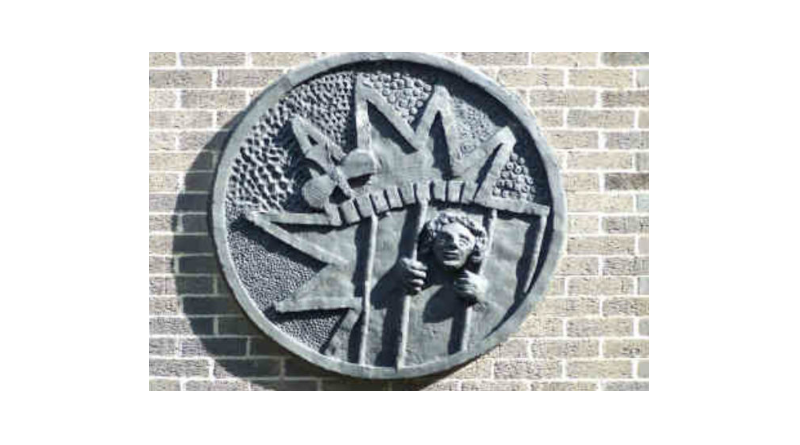
The James Parnell plaque is a memorial at Colchester Meeting House, commemorating the first Quaker to die in prison for their faith, known as the 'Boy Martyr'.
Formative years
James Parnell (1636 - 1656) was born in Nottinghamshire, during the turmoil of the English Civil War, when dissenters risked persecution and imprisonment for their beliefs.
As a child, Parnell studied the scriptures and became an ardent seeker after spiritual truth. Finding no satisfaction with the priests in his town, he left home to travel among the many religious sects that met secretly to avoid persecution.
At just 15, he set out for the north to find a 'seeking people' with whom he had been corresponding, meeting strong opposition from local priests along the way.
Parnell's travels
A year later, in 1653, the 16-year-old Parnell walked the 150 lonely miles from Nottinghamshire to Carlisle to meet one such seeker, George Fox, then incarcerated in Carlisle jail. Little is known of their encounter, but Parnell came away fully committed to Fox and the emerging Quaker faith.
He began travelling south, spreading the word to all who would listen, and his direct challenge to the Established Church led to several clashes with the authorities.
By the summer of 1655 he had reached north-east Essex, where at Colchester he became the first to preach the new Quaker faith, drawing many converts.
Final days
Authorities arrested Parnell on 4 July 1655 as he walked through Colchester, having disrupted a church service at nearby Great Coggeshall. He was charged with blasphemy and taken to the county jail in Colchester Castle.
A jury acquitted him at trial, but the magistrate fined him £40, a sum Parnell refused to pay. He was returned to a cell that was little more than a hole in the castle wall, and Friends were barred from helping him.
From his cell he wrote, “I am committed to be kept a prisoner, but I am the Lord's free-man.”
Fall and death
To reach his food, Parnell was made to climb a rope to a hole in the wall. After a fall from that rope, his health began to fail, and by the spring of 1656 he could not eat for 10 days. He died on the morning of 10 April.
Authorities claimed he had starved himself, a claim the Quaker historian William Sewel called, “A wicked lie.” Parnell was buried in an unmarked grave within the castle grounds; Friends later placed a plaque in the cell where he died.
Legacy
Among Friends, Parnell quickly became known as the 'Boy Martyr'. Whether he died willingly for his faith remains unanswered, but his preaching converted many in Colchester, which became a stronghold of Quakerism.
A street in the town is named after him, as is a room in Colchester Meeting House, where the circular plaque bearing his image still hangs on the outer wall.